


Maryland LCV remains focused on securing sustainable funding for climate action while advancing environmental justice, clean energy, and protection of our natural resources. Our 2025 priorities build on recent successes to ensure Maryland meets its climate goals of 60% emissions reduction by 2031 and net zero by 2045.
We continue our core mission of advocating for clean water, healthy air, and climate-resilient communities for everyone in Maryland.
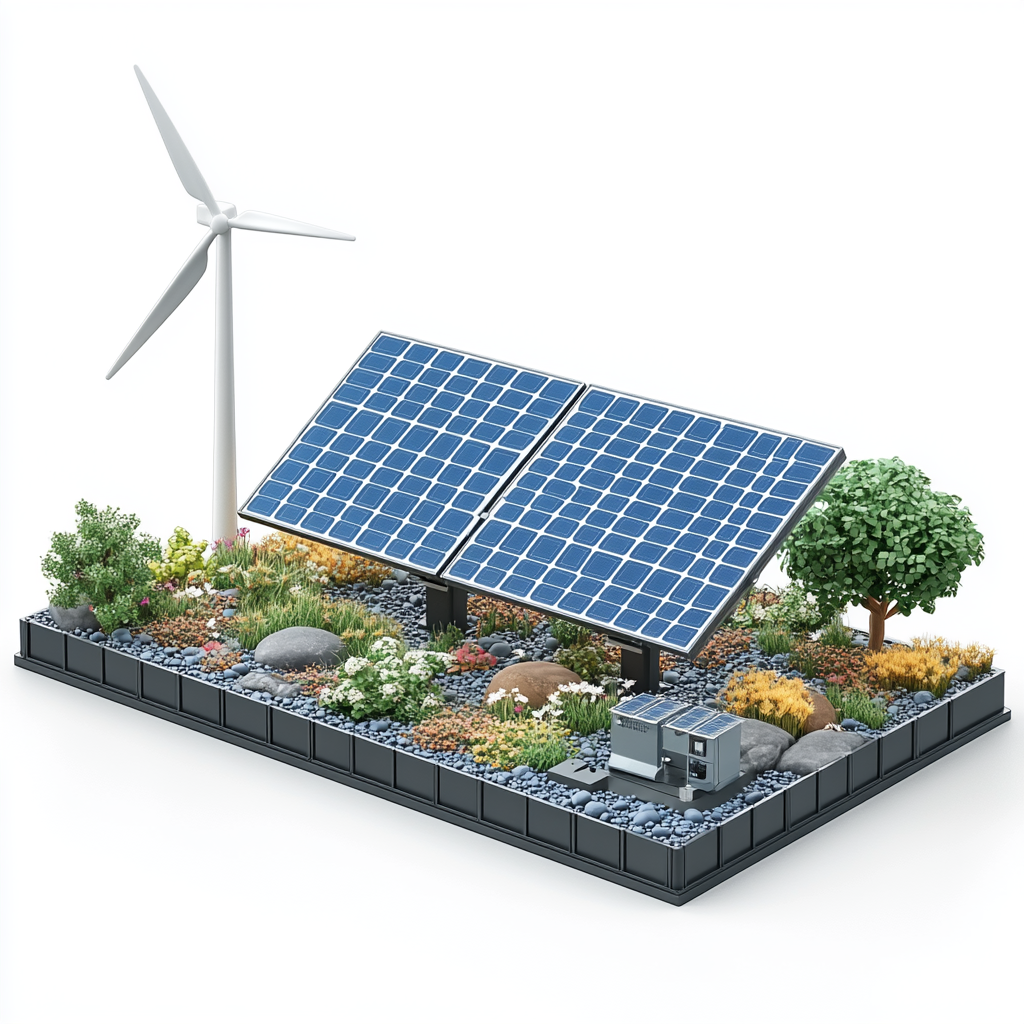
Abundant, Affordable Clean Energy (AACE) Act (SB 316 / HB 398)
Maryland faces growing demand for electricity as well as rising energy costs, making it crucial to secure reliable, affordable and clean power for our future. Clean energy is now the fastest and cheapest energy source to build, offering significant cost advantages, but our current system doesn’t effectively deliver these cost savings to Maryland residents. The AACE Act will ensure Maryland can generate in state the clean energy we need while making energy bills more affordable and the grid reliable. By generating more clean energy in Maryland, we can reduce our dependence on out-of-state dirty power, create local jobs, and lower utility bills.
- Electricity use accounts for more than one-fifth of Maryland’s emissions
- Current energy markets don’t adequately protect ratepayers from rising costs
- Maryland needs more in-state clean power generation to ensure reliability and affordability
What the AACE Act Will Do
- Creates comprehensive clean energy program including battery storage
- Restructures financing for solar programs
- Supports existing in-state nuclear power
- Implements profit-sharing between energy generators and customers
- Caps costs for clean energy programs
- Uses data center revenue to offset energy costs
Why It's Important For Maryland
Maryland faces rising energy costs and growing electricity demand. Without intervention, the state risks higher costs and reliability issues. This approach helps meet climate goals while keeping energy reliable and affordable through local generation, reduced transmission costs, and innovative profit-sharing mechanisms.

Nearshore Farm and Finance Act (SB898 / HB1175)
(Bill Title: Nutrient Management – Tidal Buffer – Vegetative Buffers and Restriction on Fertilizer Application.’)
Protecting the Chesapeake Bay requires smart solutions that support both our environment and our farming communities. The Nearshore Farm Finance Act achieves a balanced approach to both goals by establishing waterfront farm buffers while providing financial compensation to both landowners and tenant farmers. The bill increases the setback for nutrient application within this sensitive area of land. At the same time, it provides generous incentives for farmers to install long-term, targeted conservation practices.
- Current setbacks from tidal waters are insufficient to protect the Bay from agricultural runoff
- Conservation practices installed in nearshore areas are six times as effective as those installed further upland
What the Nearshore Farm Finance Act Will Do
- It prevents excess pollution from agricultural fertilizer applications that would otherwise be permitted within 100 feet of Maryland tidal water.
- It further accelerates nutrient removal with the opportunity for farmers to voluntarily enroll in installing high-performing, permanent buffers in these most-effective,nearshore target areas.
- Creates the first incentive program to provide value to tenant farmers who work with the State on targeted conservation practices and fertilizer application setbacks.
Why It's Important For Maryland
Maryland’s agricultural sector has not fully achieved nutrient and sediment reduction goals to protect the bay. This bill targets the most efficient areas to install conservation practices and provides an incentive package to ensure farmer participation.

The CHERISH Our Communities Act (SB 0978 / HB 1484)
The CHERISH Our Communities Act (Cumulative Harms to Environmental Restoration for Improving our Shared Health) addresses a critical gap in Maryland’s environmental protection system. Currently, when considering new permits to pollute, Maryland does not evaluate how multiple pollution sources in one area combine to affect public health. This means new permits are reviewed in isolation, without considering the total (or cumulative) impact on local residents’ health. Following the lead of states including New Jersey, New York, and Minnesota, the CHERISH Our Communities Act will reform Maryland’s permitting system to better protect communities that already face heavy pollution burdens.
- Communities across Maryland face health risks from multiple pollution sources in their neighborhoods
- Many high-impact facilities currently avoid public notice requirements and transparency measures
- Maryland lacks the legal authority to make permitting decisions based on environmental justice data
What the CHERISH Our Communities Act Will Do
- Creates new requirements for high-impact facilities
- Requires meaningful community engagement for major pollution permits
- Mandates pollution reduction conditions and community benefits agreements
- Gives MDE clear authority on environmental justice in permitting
Why It's Important For Maryland
Currently, Maryland doesn’t evaluate how multiple pollution sources combine to affect community health. New permits are reviewed in isolation, ignoring cumulative impacts. This reform ensures overburdened communities aren’t forced to accept more pollution without proper safeguards and benefits.

Coal Dust Clean Up and Asthma Mitigation Fund (SB 882 / HB 1088)
Maryland has a successful program that charges a fee on oil transport and allocates funds to help address oil spills and protect communities. This new legislative proposal builds on that model by addressing another pressing concern: the impact of coal transport on our communities and climate. Coal traveling through Maryland creates significant air pollution, affecting the health of residents living along transport routes. Additionally, the burning of coal creates greenhouse gas emissions and is contrary to fighting climate change. This bill creates a dedicated funding stream to address these impacts while supporting communities most affected by coal pollution.
- Coal transport creates significant air quality issues in nearby communities
- Burning coal conflicts with the state’s climate goals
- Communities along transport routes face higher rates of asthma and respiratory issues
- Current funding for greenhouse gas pollution mitigation is insufficient
What the Coal Clean Up and Asthma Mitigation Fund Will Do
- Establishes 60-cent fee per million BTUs on coal transport
- Creates dedicated Fossil Fuel Mitigation Fund
- Directs 40% of revenue to overburdened communities
- Provides $5 million annually for asthma treatment programs
- Generates approximately $300 million yearly for climate and health programs
Why It's Important For Maryland
Coal transport creates significant air quality issues in nearby communities, leading to higher rates of asthma and respiratory problems. This provides a fair solution that holds polluters accountable while generating resources for community protection and environmental cleanup.